Nonwoven Fabric Bags: A Comprehensive Guide
Introduction
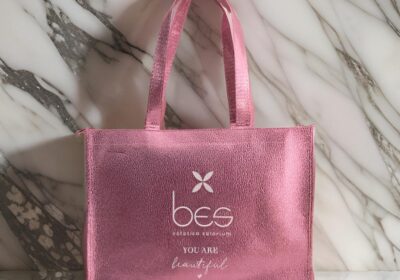
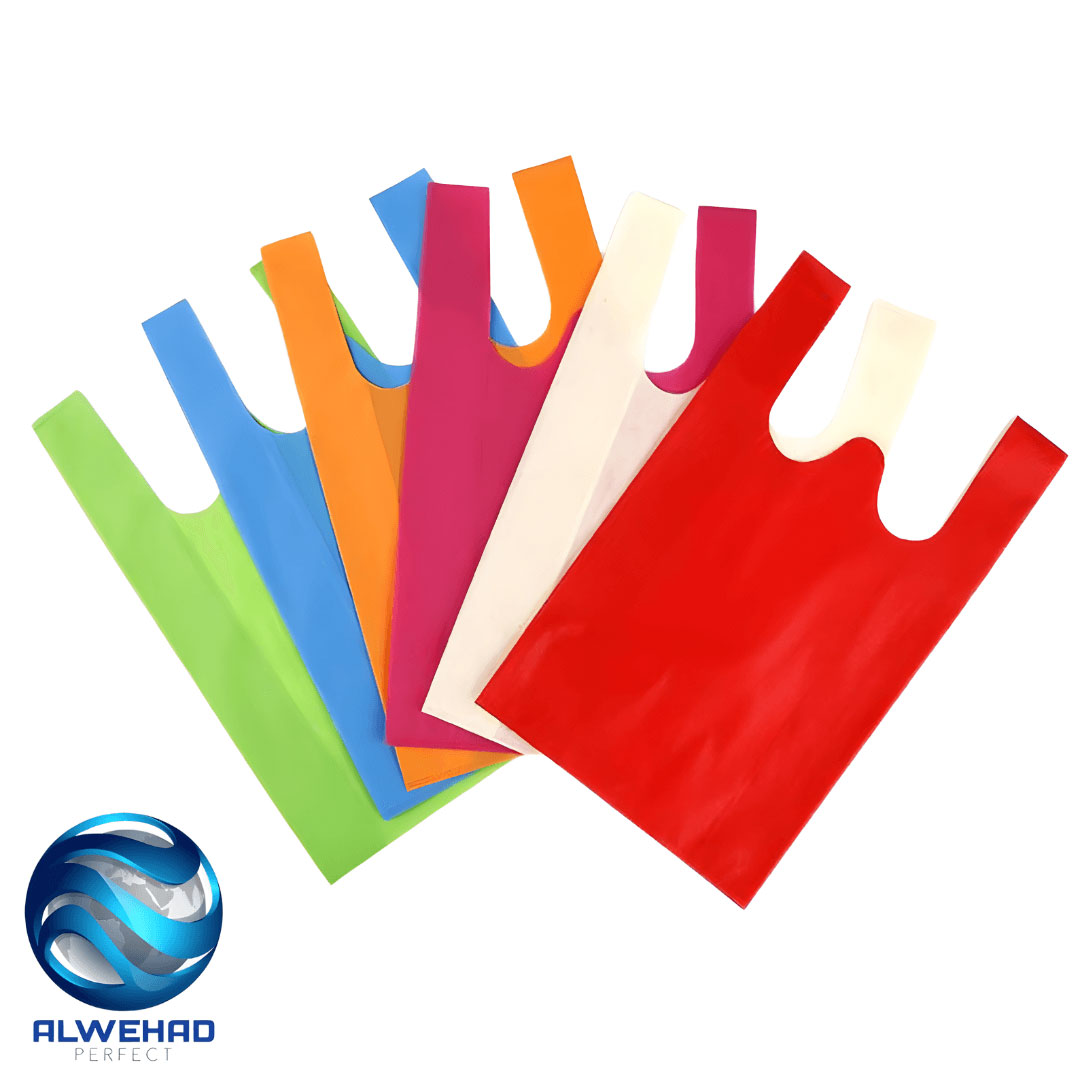
Nonwoven fabric bags, crafted from eco-friendly nonwoven materials, have gained immense popularity due to their lightweight, durability, and reusability. Unlike traditional textiles, nonwoven fabric is produced through a mechanical process, eliminating the need for weaving or knitting. This results in faster production times and lower costs, making them a sustainable and affordable option.
Types of Nonwoven Fabric Bags
Nonwoven fabric bags can be categorized based on their materials and applications:
By Material:
- Polypropylene (PP) Nonwoven Fabric Bags: Lightweight, durable, and waterproof, ideal for shopping bags, packaging bags, and promotional bags.
- Polyethylene Terephthalate (PET) Nonwoven Fabric Bags: Heat-resistant, eco-friendly, and recyclable, suitable for eco-friendly bags, food packaging bags, and medical bags.
By Application:
- Shopping Bags: Large capacity, durable, and reusable, perfect for supermarkets, markets, and shopping malls.
- Promotional Bags: Customizable with good printing effects, ideal for exhibitions, promotional events, and brand promotion.
- Eco-friendly Bags: Biodegradable and recyclable, suitable for daily use and environmental campaigns.
Advantages of Nonwoven Fabric Bags
- Eco-friendliness: Reduce waste by replacing single-use plastic bags.
- Economic Efficiency: Save costs in the long run due to reusability.
- Durability: Withstand significant weight and wear, making them suitable for various applications.
- Customizability: Tailor bags with different colors, sizes, and designs to meet branding needs.
Manufacturing Process
- Material Selection: Choose materials like polypropylene or polyester based on desired properties.
- Cutting: Use professional equipment to cut the material into the desired shapes and sizes.
- Sewing: Stitch the cut pieces together using industrial sewing machines.
- Printing: Customize the bags with various printing methods like screen printing, heat transfer, or digital printing.
Environmental Impact
- Degradability: Many nonwoven fabric bags are biodegradable, reducing soil and water pollution.
- Reusability: Reduce waste by using bags multiple times.
- Replacing Plastic Bags: Contribute to reducing plastic waste and pollution.
Market Applications
- Retail Industry: Shopping bags for supermarkets, chain stores, and more.
- Advertising Industry: Promotional bags for brand awareness and marketing.
- Food Industry: Packaging for fresh produce, bread, and other food items.
Future Development Trends
- New Materials: Development of more eco-friendly and biodegradable materials.
- Production Process Improvement: Automation and intelligent technologies for increased efficiency.
- Market Demand Changes: Growing demand for eco-friendly products and government bans on plastic bags.
Choosing and Customizing Nonwoven Fabric Bags
- Material Selection: Choose between polypropylene and polyester based on specific needs.
- Size Determination: Select the appropriate size based on intended use and item dimensions.
- Printing Design: Customize with various printing methods and designs.
- Supplier Selection: Choose a reputable supplier with quality products and timely delivery.
Related Posts
Nonwoven Fabrics: A Beauty Revolution
Nonwovens in Cosmetics: Revolutionizing Beauty Products Nonwoven materials have emerged as a game-changer in the…
The Versatility of Canvas Tote Bags
Elevate Your Style with Durable and Eco-Friendly Canvas Tote Bags Introduction: Canvas tote bags have…
The Power of Insulated Cooler Bags
Stay Cool and Refresh: The Benefits of Insulated Cooler Bags Introduction: When it comes to…
Leave a Reply